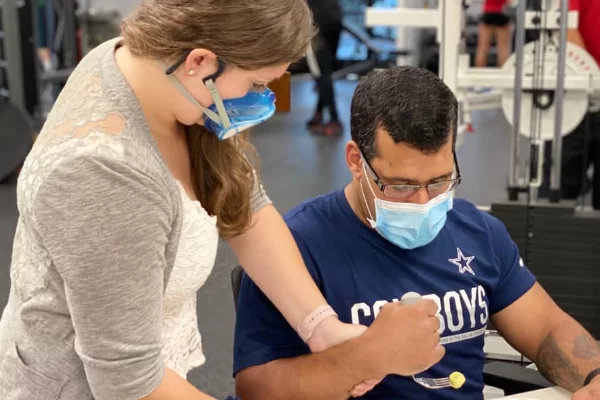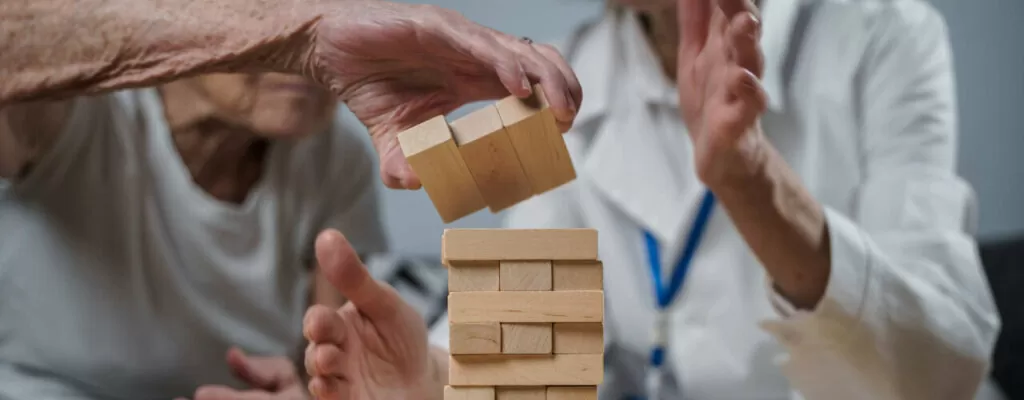
Fine motor skills development, often highlighted in pediatric therapy, is equally vital for adults facing motor delays due to conditions like arthritis, Parkinson’s disease, or stroke. These delays can significantly impact daily activities, specifically tasks that require precise hand movements. Occupational therapy addresses these issues through customized interventions to enhance dexterity, coordination, and overall hand function. By employing targeted exercises, adaptive techniques, and specialized tools, occupational therapy supports individuals in regaining their fine motor skills, thereby improving their independence and overall quality of life.
Understanding Fine Motor Skills Development in Adults and Geriatric Patients
Fine motor skills is the coordination of small muscles in the hands and fingers for precise movements.
Common Fine Motor Difficulties
Difficulty with Precise Movements
- Tasks requiring intricate hand movements, such as using utensils, turning pages, or fastening buttons, become challenging.
Reduced Hand Strength
- Weakness in grip strength or endurance, impacting activities like opening jars, turning keys, or holding a fork.
Impaired Dexterity
- Manipulating small objects or performing tasks that require fine coordination, such as threading a needle or writing legibly, becomes difficult.
Common Causes of Fine Motor Skills Issues
Neurological Conditions
- Conditions like stroke, Parkinson’s disease, or neuropathy affect nerve function and muscle control.
Arthritis and Joint Disorders
- Osteoarthritis or rheumatoid arthritis causes pain, stiffness, and reduced range of motion in the hands and fingers.
Age-related Changes
- Natural aging processes lead to muscle weakness, decreased flexibility, and slower nerve conduction, affecting fine motor skills.
Traumatic Injuries
- Falls or accidents result in hand injuries, fractures, or nerve damage that impair motor function and coordination.
How Occupational Therapy Can Help with Fine Motor Skills Development
Occupational therapy for fine motor skills development focuses on enhancing the precision and coordination of hand movements. Therapists use techniques tailored to individual needs, including strength-building exercises, hand-eye coordination drills, and adaptive strategies to improve daily function. The benefits of occupational therapy are multifaceted: it not only aids in restoring fine motor skills but also boosts confidence and independence by enabling individuals to perform tasks with greater ease.
What to Expect with Occupational Therapy
Comprehensive Assessment
- A thorough assessment of fine motor skills, strength, coordination, and functional abilities, considering age-related factors.
Tailored Treatment Plans
- Individualized strategies focusing on specific needs, such as hand dexterity, grip strength, and coordination, to improve independence in daily activities.
Therapeutic Exercises
- Prescribed exercises to strengthen fingers and hands, improve hand-eye coordination, and enhance tactile perception, tailored to functional goals.
Adaptive Techniques
- Recommendations for ergonomic tools, assistive devices, or modifications to home environments to facilitate safe and effective performance of daily tasks.
Enhancing Fine Motor Skills for a Better Quality of Life
Improving fine motor skills through occupational therapy can significantly enhance daily functioning and overall quality of life. Whether you’re facing challenges due to neurological conditions, age-related changes, or other factors, early intervention and personalized therapy can make a substantial difference. Contact our team at Professional Care Physical Therapy & ProCare Occupational Therapy in East Patchogue, NY, Riverhead, NY, and Islip, NY today to learn more about fine motor skills development and discover how occupational therapy can help you or your loved ones regain independence and confidence in daily activities.
Tags: Hand therapy, motor coordination, stroke recovery, occupational therapy